



Live, and getting better.
Monitoring, evaluation and model updates, on infrastructure we run on AWS, Azure and Google Cloud.
Book an AI auditModels change every few months.
- Watch
See how it behaves in production.
- Improve
Every change tested before it ships.
- Scale
Inference that scales without surprises.
After launch, we stay and run it.
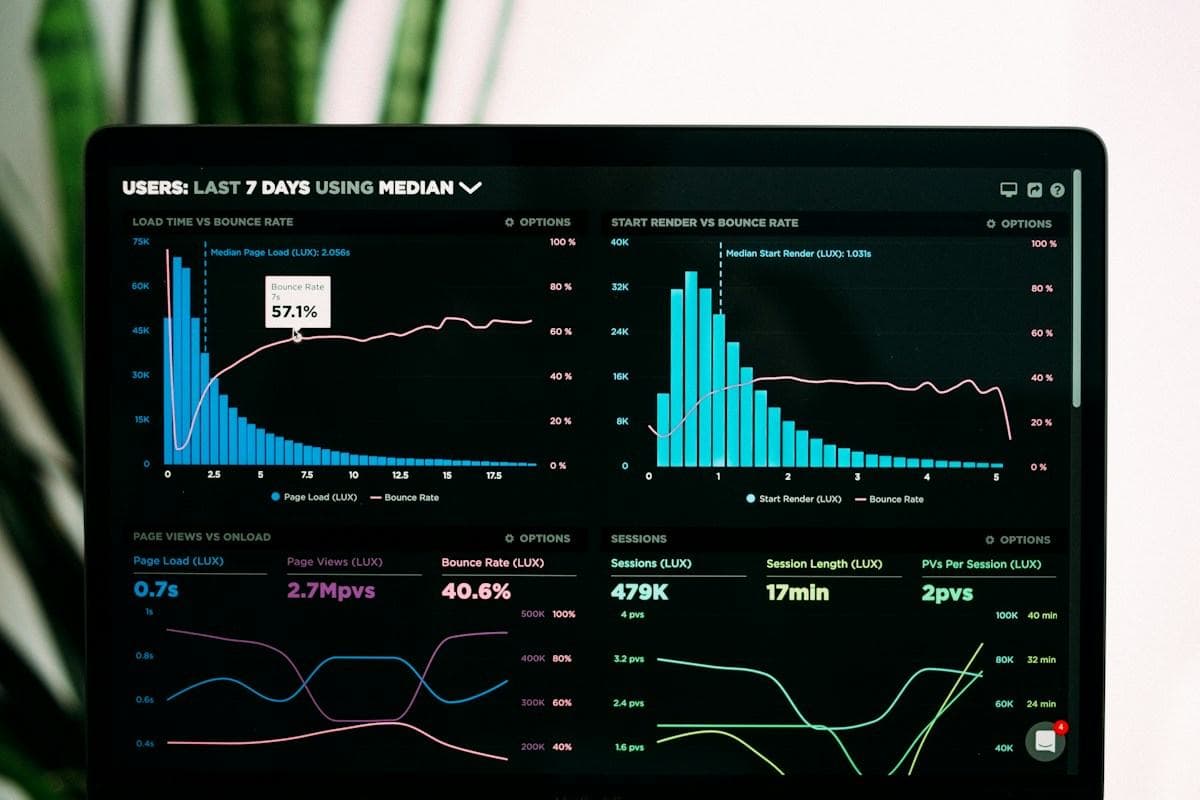
We watch it in production
Tracing, cost and quality alerts, with the people who built it on call.
Pick a starting point.
What do you need?
Inference endpoints that grow with demand and stay fast under load.
- Inference endpoints for hosted APIs and self-hosted open-source models.
- Autoscaling GPU workloads on Kubernetes that follow real traffic.
- Routing, caching and fallbacks between model providers.
GPU and model environments defined in code on AWS, Azure and Google Cloud.
- Infrastructure as Code: Terraform, Pulumi, and CloudFormation for repeatable environments.
- Configuration management: Ansible and Packer images for consistent servers.
- Policy as code: guardrails that keep every environment auditable.
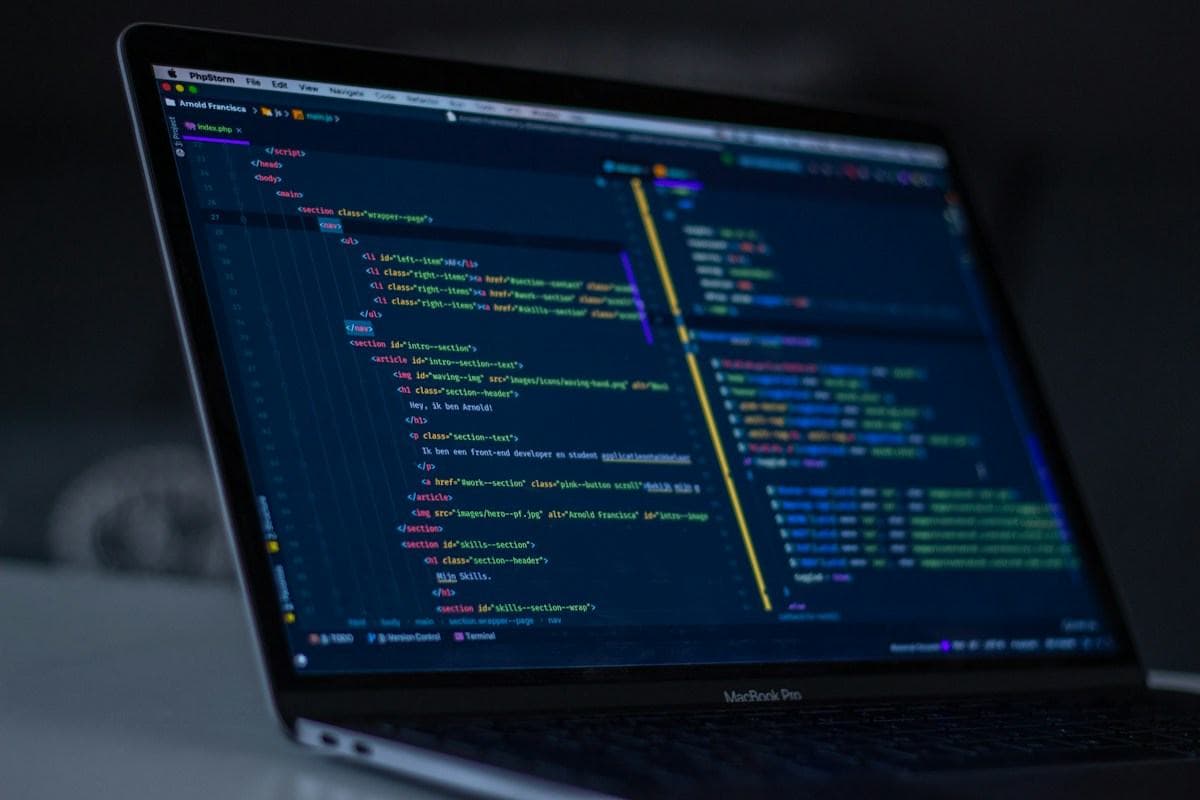
Pipelines that test and ship code, prompts and models on every change.
- Pipeline design: build, test, and deploy stages that match your workflow.
- Automated testing and security scanning on every change.
- Deployment orchestration: GitOps releases with rollback across environments.

What we've shipped

easyvisas – fully AI-powered immigration processing
Agentic AI backend with RAG over immigration policy and 12,000+ historical cases — automated document intake through decision support.

Multi-cloud SaaS – expanding AWS to Google Cloud + AWS
Expanded a production SaaS from AWS-only to Google Cloud + AWS — maintaining uptime SLAs throughout migration.
CI/CD pipeline – from waterfall to daily deployments
Modernized release workflows from quarterly releases to daily, automated deployments.
Built, then run by the same team.

Senior-led from start to finish.
The people you meet build it.
We run what we build.
easyvisas is live, and we operate it.
Monitoring and cost in view.
Metrics, logs and model spend tracked in production.
One-off or ongoing.
A setup sprint, or managed operations month to month.
Every step agreed upfront.
Launch
Monitoring and alerts from day one.
Evaluate
A regression suite before every change.
Improve
Model upgrades and new use cases.